



What does the 112th and Adams plan mean for east Lincoln?
Lincoln plans to seek developer proposals for more than 200 acres of city-owned land near 112th and Adams, with a goal of at least 1,500 homes. No developer, housing mix, prices or timeline is set yet, so buyers who need a home soon should shop today’s inventory, and nearby sellers should watch what actually gets proposed.
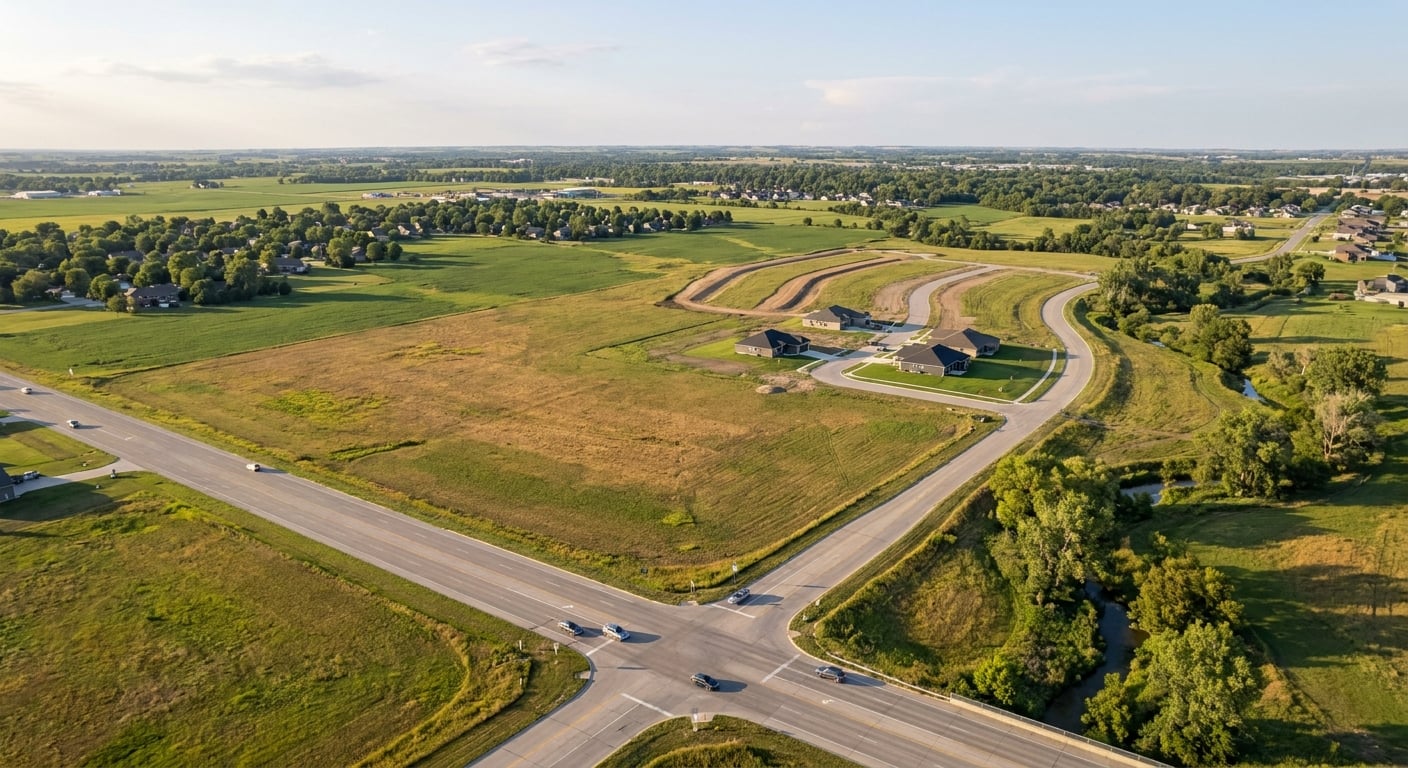
East Lincoln keeps growing, and if you’ve driven out past 112th Street lately, you’ve probably noticed. But Mayor Leirion Gaylor Baird’s 2026 State of the City address put something on the radar that’s bigger than the usual subdivision announcement. The city plans to seek development proposals for more than 200 acres of city-owned land near 112th and Adams, with a goal of at least 1,500 homes.
That’s a significant number for Lincoln. And if you’re buying or selling on the east side, it’s worth understanding what this actually means today versus what it might mean a few years from now.
Key takeaways
- Lincoln plans to seek developer proposals for 200+ acres near 112th and Adams, targeting at least 1,500 homes
- No developer, builder, housing mix, price point, or delivery timeline has been confirmed
- The city is at the RFP stage, which is the very beginning of a long planning and approval process
- Projects this size typically deliver in phases over several years, not all at once
- Buyers who need a home soon should focus on what’s available now, not what might be built
- Nearby sellers should watch the proposed product types and price points before drawing conclusions
- Infrastructure like roads, sewer capacity, and school boundaries will shape how and when this actually comes together
What has Lincoln announced near 112th and Adams?
The land has an interesting backstory. Lincoln received roughly 305 acres through a property exchange with the State of Nebraska tied to the planned prison relocation. Not all of it becomes housing. The current focus is on more than 200 of those acres, with at least 1,500 homes as the stated goal.
Right now, the city is preparing to issue an RFP, a request for proposals. Think of it as Lincoln putting out a formal open call to developers, asking them to pitch their vision for the site. It’s the starting line, not the finish line.
After a proposal gets selected, it still has to move through rezoning, annexation, platting, infrastructure design, and building permits before anything gets built. Early conversations have touched on affordable housing and protecting the nearby Prairie Pines natural area, but none of that is final.
This is real, it matters for Lincoln’s future, and it’s still early days.
How could 1,500 homes affect east Lincoln buyers?
Here’s a little perspective on the scale. Lincoln permitted roughly 2,029 new units citywide in 2025. The proposed neighborhood near 112th and Adams represents about 74% of that one-year total. But a project this size doesn’t land all at once. It comes in phases, often over a decade or more, depending on infrastructure, financing, and market demand.
So what does that realistically mean if you’re trying to buy in east Lincoln?
- The housing mix is unknown: The final product could be detached single-family homes, townhomes, duplexes, apartments, or some combination. That mix matters a lot depending on what you’re looking for.
- New construction comes with real tradeoffs: Warranties and the ability to pick your finishes are great. Construction traffic, unfinished landscaping, limited nearby amenities in the early phases, and potential special assessment districts that affect your property taxes are less great.
- Timing is everything: If you need a home in the next six to twelve months, waiting on a project that hasn’t selected a developer yet isn’t a practical plan.
I work with a lot of buyers who get excited about what’s coming and lose sight of what’s available right now. Both things matter, just at different points in your timeline. If you’re actively looking, today’s inventory deserves your full attention.
What should nearby homeowners and sellers watch?
If you own a home within a few miles of this site, you’re right to pay attention. New construction at this scale does create competition for resale homes. The question is how much and what kind.
Builders have tools that individual sellers can’t easily match. Rate buydowns, closing cost credits, design center allowances. When those incentives are flowing, they pull buyers who might otherwise have considered your home instead.
That said, established homes carry advantages that a brand-new build can’t offer right away:
| What established homes offer | What new construction offers |
|---|---|
| Mature landscaping and finished yards | Warranties and customization options |
| Known tax history and assessments | Modern layouts and energy efficiency |
| Completed streets and nearby services | Fresh finishes throughout |
| No buildout uncertainty nearby | Potential equity growth as the area develops |
The most important thing for sellers isn’t to panic over this headline. It’s to pay close attention to what actually gets proposed. A development heavy on apartments or townhomes isn’t the same competitive threat as one focused on detached homes in your price range.
If you’re thinking about selling in the next couple of years, start documenting your updates and maintenance records now. That kind of preparation quietly pays off when buyers have more options to compare.
How will infrastructure shape east Lincoln growth?
This is the part of the story that tends to get overlooked, but it’s probably the most important variable in how all of this actually unfolds.
The land exists. The goal is set. But the pace depends on infrastructure, and east Lincoln has real constraints to work through. Earlier city growth planning flagged several cost-intensive needs in this corridor, including Stevens Creek crossings, water line extensions, arterial street improvements, and potentially a 100-year flood standard bridge on Adams Street.
Add in sewer capacity, stormwater detention, sidewalks, trails, and emergency access, and you start to see why these projects take time.
The proximity to the 145-acre Prairie Pines natural area also matters. Drainage, conservation buffers, and trail connections will likely factor into the approval conversations, which is actually a good thing for long-term livability in that part of town.
Schools deserve a specific note. Development approval doesn’t automatically mean attendance boundaries stay the same. If schools are part of why you’re looking in a particular area, verify current boundaries directly with the district using their most recent maps. Don’t assume based on a neighbor’s address.
None of these infrastructure questions stop the project. They shape how fast it moves and what the finished neighborhood looks like when it gets there.
What should Lincoln buyers and sellers do now?
Stay informed, but don’t let a proposal change what makes sense for your situation today.
For buyers, the right question is whether the homes available right now fit your needs, your timeline, and your budget. If they do, that’s where your focus belongs. If you’re planning further out and east Lincoln is on your radar, following the RFP process as it develops is worth your time.
For sellers, the move is to monitor, not react. Watch for which developer gets selected, what the product mix looks like, and when Planning Commission hearings get scheduled. Those details will tell you far more than a headline number ever will.
A few ways to stay current:
- City of Lincoln purchasing notices: Where the RFP will be posted when it’s released
- Planning and Development Services agendas: Public hearings on rezoning and annexation show up here
- City Council meeting materials: Formal approvals move through Council after Planning Commission recommendations
- Lincoln’s 2026 comprehensive planning updates: Land use and transportation decisions will continue through year-end
East Lincoln is growing. That’s not new. What is new is that the city holds a meaningful piece of land and has a public vision for how it gets used. How that vision takes shape over the next several years is worth watching closely, whether you’re buying, selling, or just curious about where this city is headed.
If you have questions about what this means for a home you’re thinking about buying or selling, I’m happy to talk through it. That’s exactly the kind of conversation I enjoy having. Let’s talk, or call the team at 402-728-8750.
Frequently asked questions
Will all 1,500 units be detached single-family homes?
No housing mix has been confirmed. Whether the development includes detached homes, townhomes, or apartments depends on what proposals come in and what gets approved through the planning process.
Have home prices or builders been announced?
No developer has been selected yet, and no pricing, builder list, or sales timeline has been released as of this writing.
Could school attendance boundaries change as east Lincoln grows?
Yes, they can change. Verify attendance zones directly using current maps from Lincoln Public Schools or your applicable district before purchasing, rather than assuming based on nearby addresses.
Where can residents follow updates about the proposal?
Monitor City of Lincoln purchasing notices, Planning and Development Services public hearing materials, and official City news releases as the RFP and approval process moves forward.
Jorin Masley is a Team Lead at Elevate Realty Group, brokered by Nebraska Realty, serving Lincoln and nearby towns.